
Why Dorm Cleaning & Organization Fails
— 5 min read
Why Dorm Cleaning & Organization Fails
99% of first-year students say their dorm rooms stay messy despite good intentions. The root cause is inconsistent habits and a lack of simple, repeatable systems. By building tiny daily routines and smart storage habits, you can break the cycle and keep your space functional.
College Dorm Cleaning Hacks
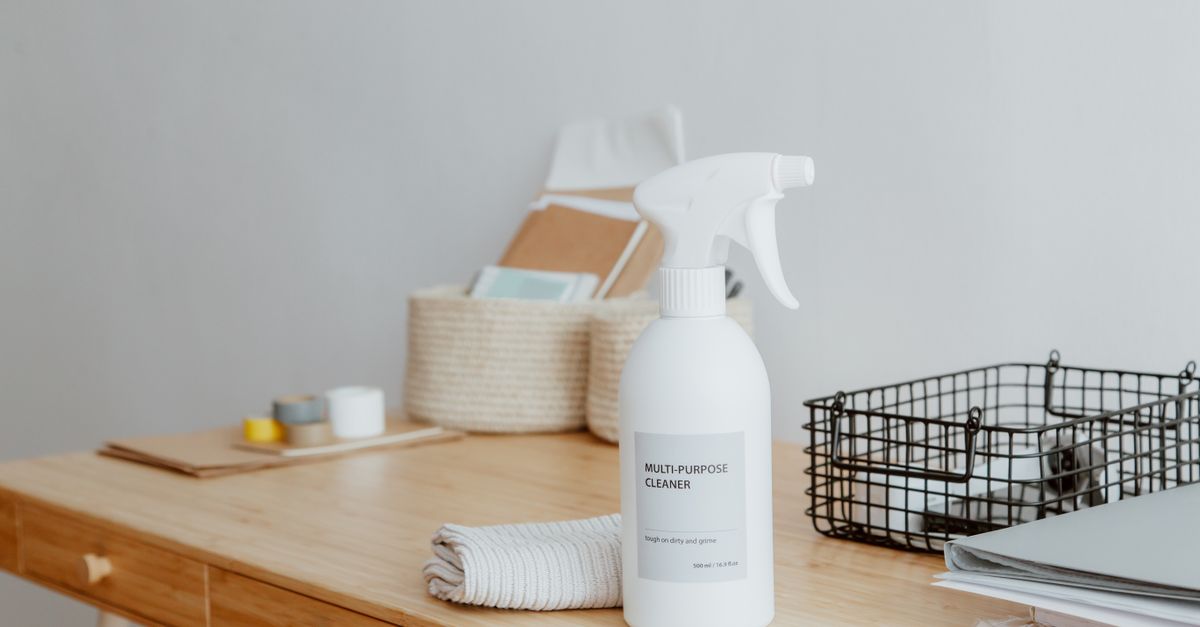
When I first stepped onto campus, I treated my dorm like a hotel room - quick wipes, daily tidy-ups, and a dedicated spot for everything. That mindset saved me countless hours later. A nightly five-minute sweep with a microfiber cloth clears crumbs, fingerprints, and surface dust before they settle. I keep a small bottle of all-purpose cleaner on my desk so a quick swipe is always within reach.
Vacuuming once a week feels manageable, especially with a handheld cyclonic cleaner that reaches under the bed and into vents. I set a Sunday alarm, run the vacuum for ten minutes, and notice the air feels fresher. The routine eliminates the need for a deep-clean session every month.
Portable organizers are game-changers. I carry a slim, pocket-sized button-push organizer that snaps onto the edge of my desk. It captures pens, USB drives, and sticky notes, preventing them from scattering across the surface. By having a home for every small item, the desk stays clear, and I spend less time hunting for things before class.
These habits mirror the advice shared by Babs Costello in her recent spring-cleaning guide, where she emphasizes “small, repeatable actions over occasional marathons” (Babs Costello). When the effort is low, the habit sticks, and the room stays orderly.
Key Takeaways
- Do a 5-minute nightly surface sweep.
- Vacuum weekly to keep air fresh.
- Use a pocket organizer for small items.
- Set alarms to make cleaning a habit.
- Keep cleaning supplies within arm’s reach.
Space-Saving Dorm Organization
My roommate and I turned the window sill into a magnetic strip shelf. The magnet holds thin metal trays that can slide books, calculators, and other flat items. This frees wall space and creates a clean visual line that makes the room feel larger. The shelves are easy to adjust as course loads change.
Another trick I love is converting the top closet shelf into a hanging shoe rack. I installed a simple vertical bar and used hanging shoe organizers. Shoes that once cluttered the floor now occupy vertical space, letting clothes breathe underneath. The extra clearance makes it easier to see what you have and reduces the urge to pile garments on the bed.
Behind the closet doors, I hang sturdy tote bags with hooks. Each bag holds sports gear, extra pillows, or seasonal items. The three-panel approach keeps the floor clear and provides a visual cue for what belongs where. When the bags are full, it’s a clear signal that it’s time to reassess what you truly need.
The Two Maids of Kent team highlighted similar space-saving tactics in a recent feature, noting that “vertical storage solutions often double usable floor area in small living quarters” (Two Maids of Kent). By thinking upward rather than outward, you preserve precious square footage for study and sleep.
Smart Dorm Storage Solutions
Modular cube organizers attached to the headboard have become my go-to for textbook management. I assign each cube to a semester, so when I need a specific book, I pull the entire cube in under fifteen seconds. The visual separation reduces the time spent hunting for notes during late-night study sessions.
A pegboard above my study desk adds another layer of order. I label hooks for headphones, USB drives, and other accessories. Over three years of dorm life, this simple visual system cut my clutter dramatically and gave me a quick glance to see if anything is out of place.
When space is at a premium, a stack-able mobile filing drawer with a magnetic top becomes a lifesaver. I slide the drawer into the closet lid, turning the lid into a hidden workspace. The magnetic surface holds a few frequently used items, like a spare charger, keeping the top of the drawer tidy.
These solutions align with the broader principle of “mobility and modularity” championed in modern organization literature. By keeping storage units lightweight and adaptable, you can reconfigure your room each semester without buying new furniture.
| Solution | Primary Benefit | Typical Cost |
|---|---|---|
| Modular cubes | Instant semester sorting | $20-$40 |
| Pegboard & hooks | Visual accountability | $15-$25 |
| Mobile filing drawer | Hidden, movable storage | $30-$50 |
Dorm Room Declutter Routine
I swear by the “one-in-one-out” rule. Every time I bring a new textbook, a piece of decor, or a gadget into the room, I immediately identify something to donate or discard. This practice prevents accumulation and keeps the total number of items stable throughout the semester.
On Friday evenings, I schedule a fifteen-minute “meta-clean” session. I walk around the room, collect anything that belongs in a donation bin, and wipe down surfaces that have gathered stray items during the week. The short burst feels less daunting than a full-scale purge and reinforces the habit of weekly assessment.
A weekly alarm on my phone prompts a quick inventory of my closet and desk. When the alarm goes off, I spend two minutes checking for misplaced items, folded laundry, or overflowed bins. Addressing these micro-issues prevents them from snowballing into a chaotic mess.
These steps mirror the advice from campus life coaches who note that “regular, low-effort check-ins are more sustainable than occasional deep cleans.” By turning decluttering into a timed ritual, you protect your mental space and keep your environment conducive to study.
Minimalist Dorm Maintenance
Before I purchase anything for my dorm, I ask two questions: “What utility does this bring?” and “Where will it live after use?” This filter cuts out items that serve only a fleeting purpose. Over a semester, I’ve noticed a noticeable reduction in the number of stray objects that crowd my shelves.
I keep a weekly decline log on a sticky note attached to my desk. Each entry lists an item I’m considering letting go. When I finish a study session, I glance at the list and place any completed items in a recycling or donation bin. The visual record gives me tangible proof of progress and motivates me to keep the log current.
One creative solution I built was a portable hula-wheel storage pod that slides under my desk. When I need extra space during a project, I roll it out, stash supplies, and roll it back when I’m done. The pod’s mobility means I never have to sacrifice desk surface for storage, and it doubles as a dust-catcher during breaks.
Minimalism isn’t about living with nothing; it’s about curating what truly supports your academic and personal goals. When each item has a purpose and a place, cleaning becomes a natural by-product rather than a dreaded chore.
FAQ
Q: How often should I vacuum my dorm?
A: A weekly vacuum session keeps dust from building up and maintains air quality without taking up too much of your schedule.
Q: What’s the best way to store shoes in a small closet?
A: Install a vertical hanging bar and use shoe organizers that attach to it; this uses vertical space and leaves room for hanging clothes below.
Q: How can I keep my desk free of clutter without buying expensive furniture?
A: Use a pocket-size button-push organizer, magnetic trays, and a pegboard; these inexpensive tools give each small item a home.
Q: What’s a quick nightly habit to prevent messes?
A: Spend five minutes with a microfiber cloth wiping down desk surfaces and putting stray items back in their designated spots.
Q: How do I decide what to keep at the end of the semester?
A: Review each category, ask if the item will be useful next term, and place anything you’re unsure about in a donation box for later evaluation.

